Minor Plumbing Repairs: Faucets, Toilets and Slow Drains
Minor plumbing repairs are the small fixes that keep washrooms, kitchenettes and janitor closets working: replacing a worn faucet washer or cartridge, a toilet flapper or fill valve, a failed supply hose, or clearing a slow sink trap. They save water, stop nuisance calls from tenants and prevent small leaks from becoming damaged ceilings and floors.
Describe the job and add your city. Free to request, no obligation.
A dripping tap or a toilet that runs on can waste a surprising amount of water over a month, and the parts are inexpensive. What costs money is the damage a neglected leak causes to cabinets, flooring and the unit below. The goal of a regular small-repair visit is to catch those leaks early and fix them with parts that match the existing fixtures.
This is also the trade where limits matter most. Replacing a fixture's internal parts or clearing a trap is routine, but cutting into supply or drain lines, moving fixtures, working on water heaters or backflow devices and anything involving gas is licensed plumbing work. A reliable service tells you straight away when a job crosses that line.
What the work includes
- Replacing faucet washers, cartridges, aerators and handles
- Replacing toilet flappers, fill valves, flush handles and seats
- Swapping worn supply hoses and angle stops where fittings are accessible
- Clearing slow sink drains and trap blockages
- Re-sealing loose sinks, toilets and fixtures at the base
- Replacing urinal and sink flush parts that are simple bolt-on swaps
- Checking under sinks and around fixtures for leaks and corrosion
- Documenting problems that need a licensed plumber
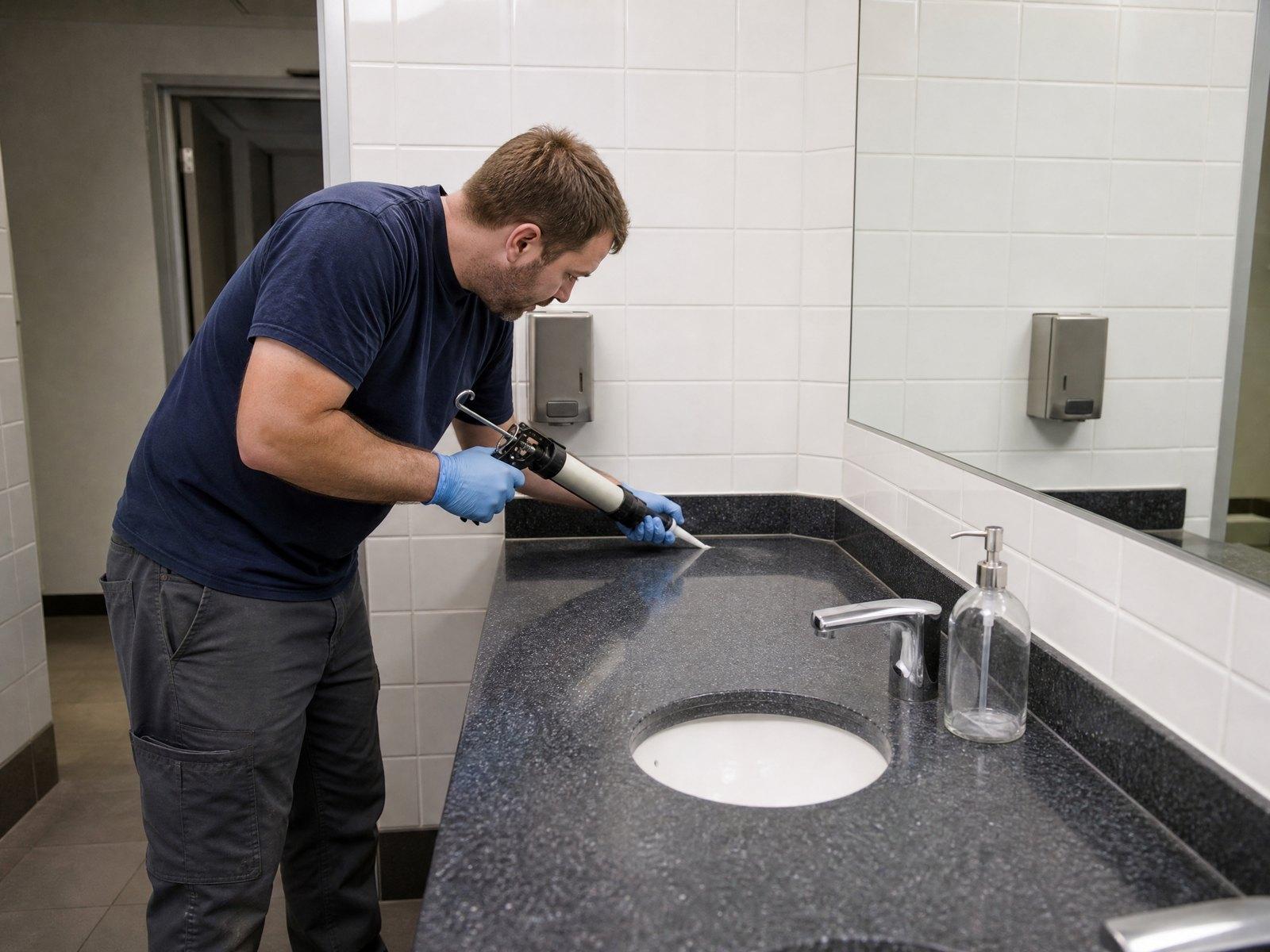
Plumbing symptoms you can fix before they escalate
A faucet that drips or sprays sideways
A toilet that runs, hisses or needs jiggling to stop
A sink that drains slowly or gurgles
Water stains or soft spots under a sink or around a toilet base
A loose toilet or sink that rocks when touched
Mineral build-up on aerators or a weak water stream
How the work goes, step by step
List the fixtures
Note each washroom or fixture, what it does, and the make or model if visible.
Review and parts check
Fixtures are identified and the quote flags anything that needs a licensed plumber.
Written quote
Each fix is itemised with parts and labour, and any plumbing-trade items are listed separately.
Repair and test
Parts are replaced, leaks are checked under pressure and each fixture is flushed or run to confirm.
Report
Photos of the work and notes about any bigger issues, such as corroded valves, are shared.
What changes the price
- Type of fixture
- Standard faucets and toilets use cheap parts, while specialty or older fixtures can need hard-to-find replacements.
- Number of fixtures
- Fixing several in one visit costs less per item than separate trips.
- Access
- Tight vanities, wall-hung fixtures or locked washrooms slow the work.
- Condition of shut-off valves
- Seized or leaking angle stops can complicate otherwise simple repairs and may need a plumber.
- Materials
- Parts and replacement hoses are charged at cost or marked up as agreed in the quote.
- Clogs
- A simple trap clearing is quick, but a clog deeper in the line is a drain cleaning job.
What a good quote spells out
- A clear statement of what is within handyman scope and what goes to a licensed plumber
- Parts brands and whether they match existing fixtures
- How shut-off valves and water shut-downs are handled and communicated
- Itemised pricing for each fixture instead of a flat visit fee only
- What is checked for hidden leaks while the fixtures are open
Light Plumbing: questions people ask
Can a handyman fix a running toilet?
Yes, in most cases. A new flapper, fill valve or flush handle usually fixes it. If the leak is from the tank bolts or the supply line, those fixes may take a little more time.
What plumbing repairs need a licensed plumber?
Cutting into supply or drain lines, moving fixtures, water heater work, backflow devices, gas and anything needing a permit. A good service flags these and refers them out.
Why does a faucet drip after a new washer?
The valve seat may be worn or pitted, or the cartridge may be the wrong size. Replacing the cartridge or seat usually fixes it.
How can we prevent washroom leaks?
Regular visits to check under sinks, replace aging hoses and tighten loose fixtures stop most small leaks before they cause damage.
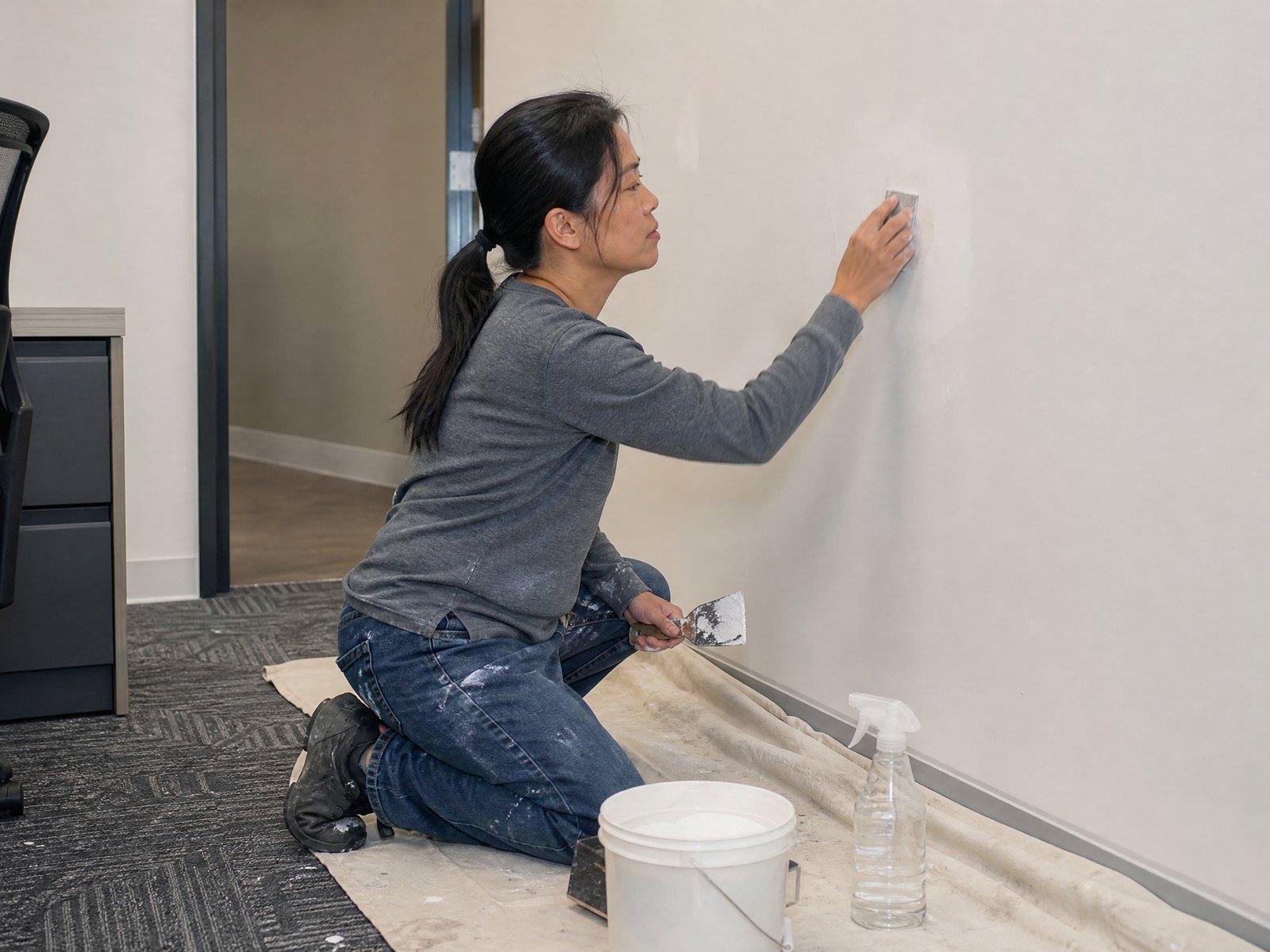
Got a Pile of Small Stuff? Let's Schedule a Visit.
Tell us what needs fixing. We review every request, and a specialist who serves your area follows up with next steps.
Request a free quote →